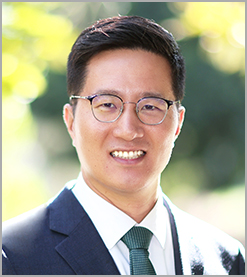
서동민 목사
봄이 오면 저는 따뜻해진 공기와 길어진 낮, 그리고 조용히 찾아오는 새로운 시작의 기운을 좋아합니다. 이 계절이 되면 마음들이 한결 부드럽게 열리고, 소망이 담긴 대화도 자연스럽게 이어지는 것 같습니다. 목회자로서 저는 오랫동안 기억에 남는 순간들을 자주 경험합니다. 그중에서도 한인 이민자분들과 나누는 대화는 특별히 깊이 마음에 남습니다. 겉으로 보기에 그분들은 매우 강인해 보입니다. 성실하고, 가족을 깊이 사랑하며, 어떤 어려움도 쉽게 내색하지 않고 견뎌내십니다. 그러나 조금 더 가까이 다가가 살펴보면, 그 안에 더 깊은 이야기가 있음을 발견하게 됩니다. 많은 분들이 단지 자신의 삶의 무게만이 아니라, 역사라는 더 큰 무게까지 함께 짊어지고 살아가고 있기 때문입니다.
한인 이민자들의 이야기는 네 겹의 보이지 않는 상처 위에 세워진 듯합니다. 첫 번째는 일제강점기의 상처입니다. 자유와 정체성을 빼앗긴 시대를 지나며 사람들은 조용히 인내하고 어떻게든 살아남는 법을 배웠습니다. 그 생존의 방식은 오늘날에도 완벽해야 한다는 부담과 실패에 대한 두려움의 모습으로 이어지기도 합니다. 두 번째는 전쟁의 상처입니다. 가족의 이산과 삶의 파괴, 극심한 가난을 겪으면서 평화가 얼마나 쉽게 무너질 수 있는지를 몸으로 배웠습니다. 그 기억은 지금도 불안으로, 혹은 삶을 통제하려는 마음으로 남아 있는 경우가 많습니다. 세번째는 이민의 상처입니다. 언어와 지위, 익숙한 환경을 내려놓고 가장 낮은 자리에서 다시 시작해야 했던 시간들, 그리고 그 속에서 견뎌야했던 깊은 외로움. 그 조용한 희생은 때로 충분히 표현되지 못한 채 다음 세대에게 설명하기 어려운 부담으로 전해지기도 합니다. 네 번째는 경제적 붕괴의 기억입니다. 모든 것이 한순간에 사라질 수 있다는 경험은 끊임없는 과로와 쉽게 가시지 않는 재정적 불안으로 남았습니다.
이러한 상처들을 이해하게 될 때, 우리는 한인 이민자들을 바라보는 시선이 달라집니다. 성실함은 단순한 야망이 아니며, 감정을 쉽게 드러내지 않는 태도는 무관심이 아니며, 희생 또한 단지 문화적 습관이 아닙니다. 그것은 세대를 넘어 이어져 온 생존의 흔적입니다. 우리가 드릴 수 있는 가장 큰 선물은 이해일 것입니다. 부모와 자녀가 함께, 압박과 완벽주의 뒤에 숨겨진 두려움의 역사를 바라볼 수 있도록 돕는 일입니다. 깊은 치유는 어쩌면 이러한 한마디에서 시작될지도 모릅니다. “너무 오랫동안, 너무 많은 것을 짊어지고 살아오셨습니다. 이제는 쉬셔도 괜찮습니다.” 그리고 우리 구주께서는 지금도 이렇게 초대하십니다. “수고하고 무거운 짐 진 자들아 다 내게로 오라 내가 너희를 쉬게 하리라.”
REST – The Time to Lay Down Invisible Burdens
Rev. James Suh
When spring comes, I like the warm air, the longer days, and the quiet feeling of a new beginning. In this season, hearts seem to open, and hopeful conversations seem to flow naturally. As a pastor, I often experience moments that remain in my memory for a long time, especially in conversations I share with Korean immigrants. On the surface, they appear very strong. They are diligent, deeply love their families, and endure almost any hardship without complaint. But when I pay a little closer attention, I always discover something deeper. Many are not simply carrying the weight of their own lives, but are also carrying the weight of history.
The stories of Korean immigrants seem to be formed by four invisible layers of wounds. The first is the wound of the Japanese colonial period. In a time when freedom and identity were taken away, people learned how to endure quietly and survive, and that survival pattern sometimes continues today as perfectionism and a fear of failure. The second is the wound of war. Through family separation, destruction, and extreme poverty, they learned how easily peace can collapse, and that anxiety still remains today as a desire to control. The third is the wound of immigration. They laid down language and status, started again from the very bottom, and endured deep loneliness, and that silent sacrifice sometimes remains as an unexplained pressure on the next generation. The fourth is the memory of economic collapse. The experience that everything can disappear in an instant has left behind relentless overwork and financial insecurity.
When we understand all these wounds, the way we see Korean immigrants changes. Our diligence is not simply ambition, not expressing emotions is not indifference, and sacrifice is not merely a cultural habit. These are traces of survival learned across generations. The greatest gift we can offer is to understand, and to help both children and parents see the history of fear hidden behind pressure and perfectionism. Deep healing sometimes begins this way: “You have been carrying far too much for too long. It is okay to rest now.” Just as our Savior always invites: “Come to me, all who are weary and burdened, and I will give you rest.”